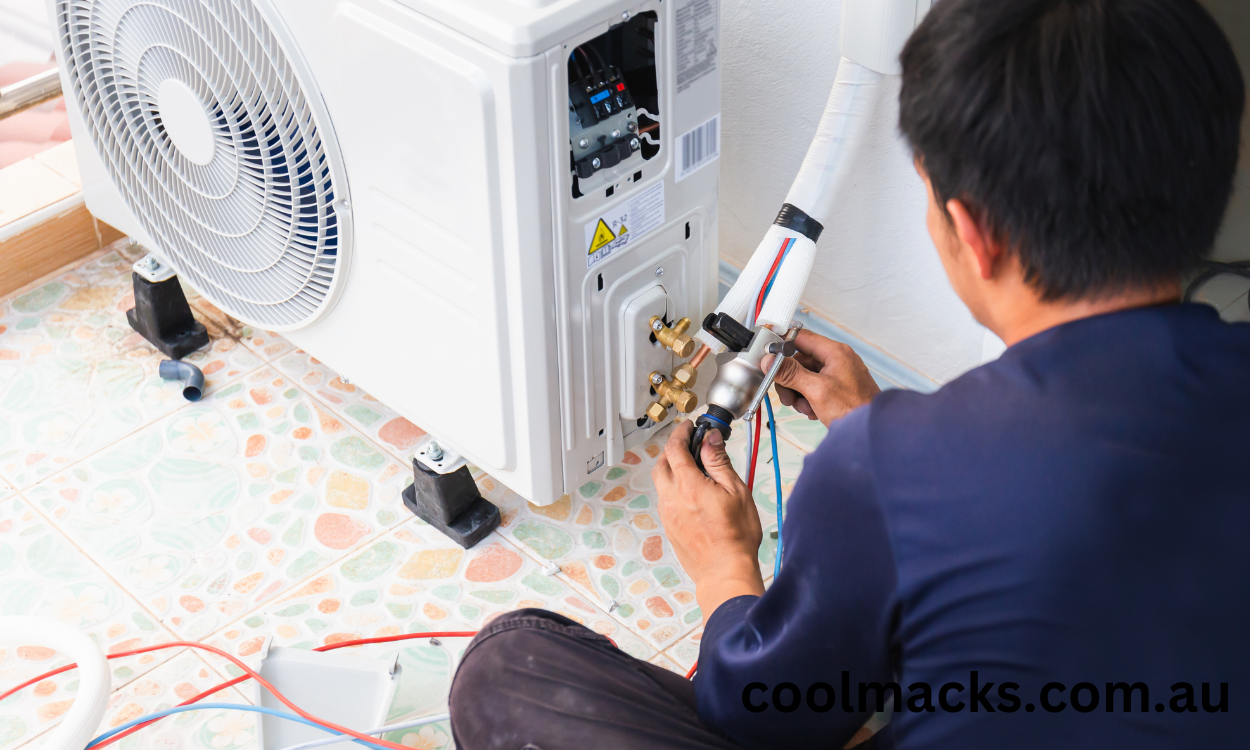
Air Con Fault Diagnosis: Information for a Service Visit
When air conditioning develops a fault, start with safe observations and the owner instructions for the installed model. Record the equipment details and symptoms; internal electrical or refrigerant work is not routine household troubleshooting.
Describe the change in heating or cooling, airflow, noise or leakage, and record any fault indication. Note when the concern began and whether it occurs under particular operating settings. Provide the equipment model and service history with the enquiry.
Report Airflow Changes Without Altering the System
Check whether accessible room air outlets are obstructed by furniture and follow permitted filter-care instructions. Note which rooms have weak or uneven airflow. Do not enter roof spaces, adjust internal dampers or seal ducts without a suitable assessment and safe access.
Do Not Infer Refrigerant Levels from Symptoms
Refrigerant assessment requires model-specific information and suitable professional testing. Poor performance does not by itself prove a leak or the need for a top-up. Ask the provider to explain the diagnosis and proposed work; do not attach gauges or handle refrigerant yourself.
Electrical Diagnosis Is Not an Owner Check
Do not inspect capacitors, tighten wiring or test electrical components to investigate a fault. If protection repeatedly trips or equipment appears electrically unsafe, stop using the affected equipment and seek qualified advice. Provide observations without attempting to reproduce a hazardous condition. For enquiries, contact Coolmacks.
Discuss the Findings and Repair Scope
Tell the provider about conditions when the concern occurs, but do not assume weather or usage identifies the cause. Request an explanation of the findings, proposed work, costs and any follow-up visit. Keep the work record so a recurring issue can be assessed against previous findings.