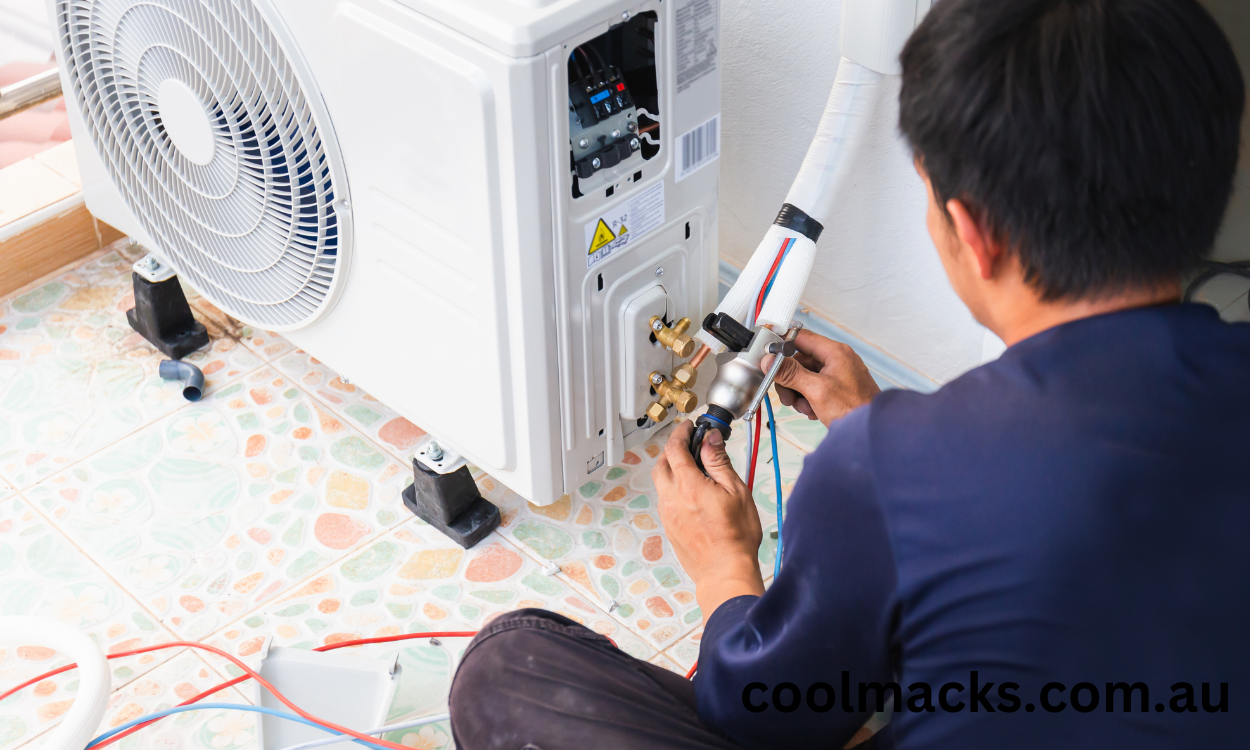
A portable AC unit can be moved only between locations that meet its power, exhaust and drainage requirements. Check these arrangements before assuming it can provide cooling anywhere.
Use the exact model capacity and the manufacturer sizing information as a starting point. Room heat gain, windows and insulation matter, and capacity figures from different test methods may not be directly comparable.
Follow the Model Care Instructions
Follow the manual for switching off, owner-accessible filter cleaning and any water-container emptying. Do not remove panels to clean coils; inspect only accessible hoses and connections as permitted, without altering the exhaust system. Related information: Coolmacks.
Compare Like-for-Like Energy Ratings
Use ratings and energy-use information supplied for the same market and test method. Do not substitute a US label or a seasonal rating from another equipment category for the information applicable to the proposed portable model.
Do Not Assume Whole-Home Cooling
A portable unit should not be assumed to cool several closed rooms. Open doorways and fans do not establish even cooling, and improvised ducting or extra hoses can conflict with the manufacturer installation requirements.
Check Exhaust, Drainage and Usability
Check the window kit fit, hose routing, condensate arrangements, sound data and access for cleaning. Confirm timer, remote and filter features on the specific model instead of treating them as standard across all portable units. Related information: Coolmacks.